
deschutes, Author at Deschutes Collaborative Forest Project
 Differences between wildfire and prescribed fire smoke in Western States in the U.S. What Is Smoke? Smoke is a byproduct of living and dead vegetation and organic soil, collectively referred […] Read more
  Fire is an important part of any ecosystem. Disturbances such as fire change landscapes by altering plant and animal populations, removing some species, and allowing others to thrive. These changes can […] Read more
 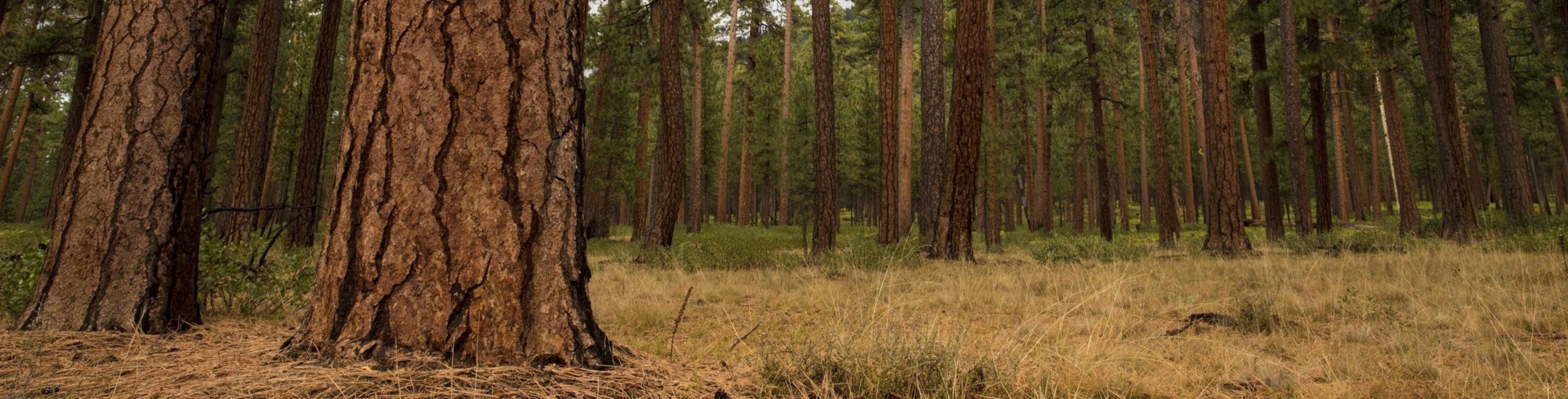 Notice of intent to prepare an environmental impact statement. The United States Department of Agriculture is proposing to amend all land management plans for units of the National Forest System […] Read more
 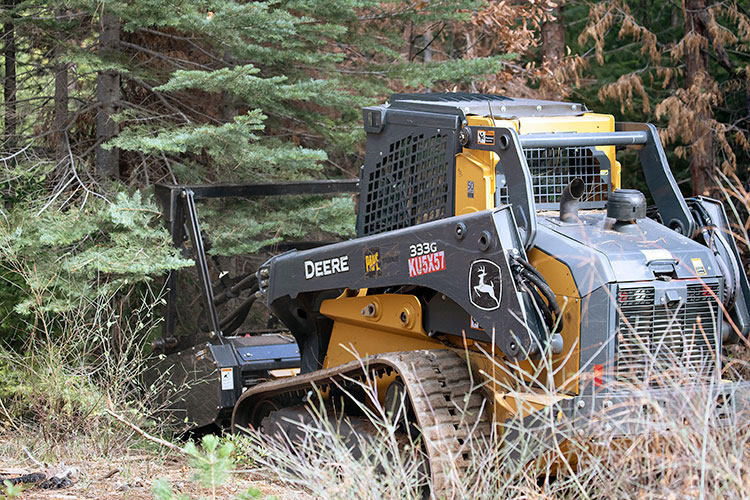 Excerpts from an article from UC Berkeley by Kara Manke “The research is pretty darn clear that these treatments are effective — very effective,” said study lead author Scott Stephens, […] Read more
 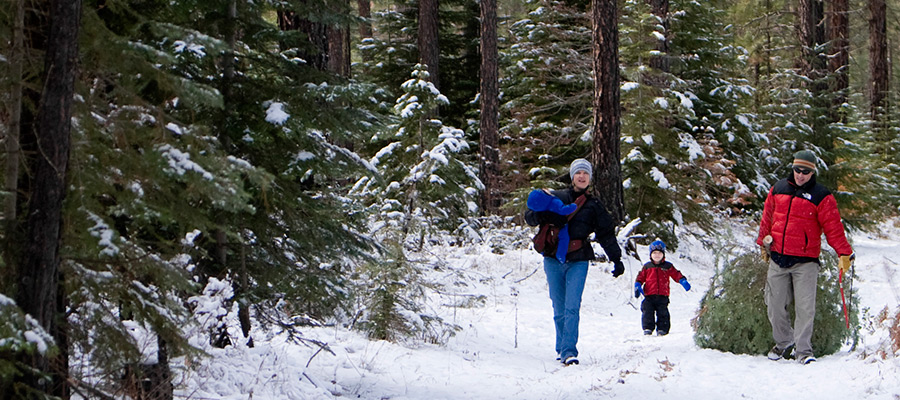 The Deschutes National Forest is full of white and grand firs that make perfect Christmas trees. Plus, they’re local and as organic as it gets. Don’t know what a white […] Read more
  Take a deep dive into flame-resistant landscaping options with the OSU Extension authors, Amy Jo Detweiler, Stephen Fitzgerald, Ariel Cowan, Neil Bell and Thomas Stokely. These plants not only thrive […] Read more
  This Article contains information from DCFP experts and Deschutes Land Trust write up By Amanda Egertson and Jana Hemphill Here in Central Oregon, we often hear about pile burning in […] Read more
  by Carolyn Bucknall, National Forest Foundation It may seem counterintuitive that burning forests is good for their health. In fact, until the end of the 20th century, many conservationists believed […] Read more
  Story by: Steve [email protected] Source: James [email protected] Forest thinning is improving the robustness of older trees and enhancing native biodiversity on federal lands in eastern Oregon, evidence that collaborative efforts […] Read more
  The Oregonian More frequent fires. Smaller, cooler blazes. Nighttime and early morning burns. Those are three important principles of what’s known as cultural burning, a firefighting practice honed by Indigenous […] Read more